

How the Accused Doctors Raised Funds to Support the Suspected Chemical Network
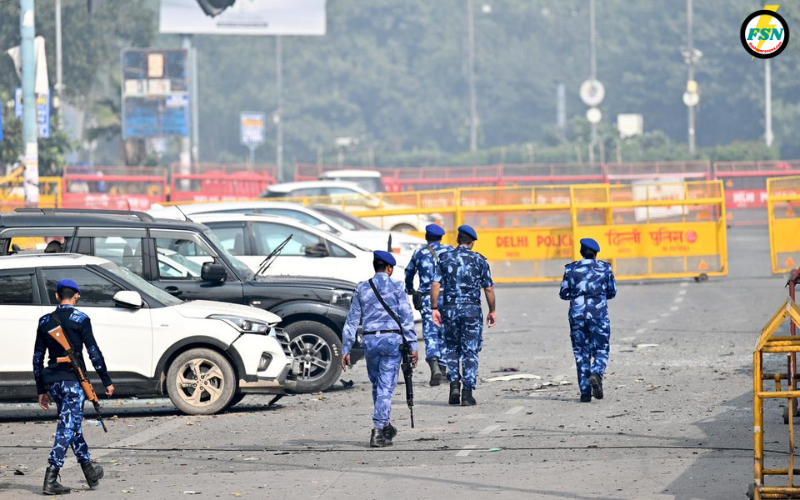
The unfolding investigation has brought intense attention to How the Accused Doctors Raised Funds to Support the Suspected Chemical Network, revealing a web of financial movement that has shocked both authorities and the public. As officials dig deeper into the funding trail, the pattern of transactions shows how the accused individuals allegedly operated with precision, secrecy, and planning. Understanding How the Accused Doctors Raised Funds to Support the Suspected Chemical Network is now central to uncovering the motive and the scale of the operation.
Investigators found that How the Accused Doctors Raised Funds to Support the Suspected Chemical Network involved multiple channels, including personal savings, professional earnings, and discreet contributions disguised as routine expenses. Because these individuals held respected positions in the medical profession, their financial activity initially appeared normal, allowing them to avoid early suspicion. Authorities now believe that their credibility played a major role in masking irregular transfers. This deeper look into How the Accused Doctors Raised Funds to Support the Suspected Chemical Network highlights how trust can be misused in vulnerable systems.
Several digital transactions show that the accused shifted significant amounts over a short period, often using small, repeated payments to avoid raising red flags. These small deposits, investigators say, were later consolidated to build a larger resource pool. Witness statements also indicate that a portion of the funds may have come from side businesses or unofficial medical consultations. Each layer of inquiry pushes forward the understanding of How the Accused Doctors Raised Funds to Support the Suspected Chemical Network, showing that the process was not spontaneous but carefully structured.
Authorities are now tracing connections between the accused and individuals involved in chemical supply chains. These links suggest the funds were not only collected but also distributed with a clear purpose. The way How the Accused Doctors Raised Funds to Support the Suspected Chemical Network ties directly into the procurement of materials, transportation mechanisms, and securing safe locations to store or transfer items. Forensic financial teams believe that the accused used encrypted communication and third-party accounts to complete transactions without drawing attention.
Public reaction has been mixed—shock over trained medical professionals being implicated, and concern over how such actions went unnoticed for so long. In many communities, doctors symbolize trust and responsibility, making the case even more unsettling. As the investigation progresses, the crucial question of How the Accused Doctors Raised Funds to Support the Suspected Chemical Network continues to drive new developments and expose deeper layers of coordination.
Every new detail unearthed adds pressure on agencies to act quickly and prevent similar networks from operating under the cover of respected professions. The funding trail remains a critical element in piecing together the entire chain of events, and How the Accused Doctors Raised Funds to Support the Suspected Chemical Network will likely remain the central focus of ongoing inquiries.
Inside the Operation: How the Accused Doctors Raised ₹26 Lakh for the Blast Plot
The investigation into the recent blast case has uncovered a chilling financial trail that exposes how trusted professionals were allegedly involved in a dangerous network. At the center of this probe is the crucial understanding of how the Accused Doctors Raised large sums of money without attracting early suspicion. As authorities follow the money, the picture becomes clearer: the operation was far more planned, coordinated, and deliberate than anyone initially imagined.
Investigators discovered that the Accused Doctors Raised the ₹26 lakh through a mix of personal income, undisclosed side earnings, and strategic financial movements designed to appear normal. Because these individuals were respected in their medical roles, their banking activity blended seamlessly with their professional identity. This allowed them to move funds quietly, shielding the transactions from immediate scrutiny. The revelation of how the Accused Doctors Raised money so smoothly has become a key element in understanding the broader plot.
According to financial records, much of the amount was gathered through small, frequent transfers. This method ensured the payments stayed below the threshold that typically triggers alerts for suspicious activity. The authorities believe that these repeated deposits, although seemingly harmless individually, were intentionally structured to accumulate a larger pool over time. This technique showcases how the Accused Doctors Raised money with careful planning, turning a series of minor transfers into a significant fund.
Evidence also suggests that some of the funds came from informal medical services, off-the-record consultations, and unreported earnings. These side channels provided additional income streams that were easy to hide, making them ideal for the covert funding of illegal activities. This insight into how the Accused Doctors Raised funds paints a disturbing picture of how professional credibility can be misused to bypass monitoring systems.
Investigators are now linking these funds to the procurement of chemicals, storage arrangements, and transportation logistics connected to the blast plot. Each transaction is being examined to determine who received the money and how it was used. Financial forensic teams say that encrypted messaging apps and third-party intermediaries may have been involved, further complicating the trail. Understanding how the Accused Doctors Raised and distributed ₹26 lakh is helping officials reconstruct the operational structure behind the scenes.
Communities and patients who once trusted these doctors with their lives are now grappling with disbelief. The idea that individuals with such responsibility could participate in a destructive conspiracy has shaken public confidence. As more details emerge, the question of how the Accused Doctors Raised such a large sum without detection has become central to the public conversation and the investigative focus.
Every layer of the financial probe brings authorities closer to understanding the motives, collaborators, and the deeper network behind the blast plot. The funding path continues to reveal the level of coordination involved, and how the Accused Doctors Raised the ₹26 lakh will remain a crucial part of the investigation as officials work to prevent future incidents.
Why the Accused Doctors Raised Suspicion Among Investigators During the Probe
The ongoing investigation took a sharp turn when authorities identified financial and behavioral patterns that didn’t align with the professional lives of the accused, leading to deeper scrutiny. From the very beginning, investigators noted certain irregularities that explained why the Accused Doctors Raised suspicion despite their clean public image and respected positions in the medical field. As layers of evidence surfaced, it became clear that these individuals were operating in ways that went far beyond routine professional responsibilities.
One of the earliest red flags — and a key reason why the Accused Doctors Raised concern — was the unusual movement of money through their accounts. Medical professionals typically have steady, predictable earnings, but in this case, authorities observed multiple transfers that lacked clear explanations. These financial activities, though small in individual amounts, formed suspicious patterns when analyzed together. Investigators quickly realized that these transactions indicated deliberate attempts to avoid attention, prompting a closer look at their financial habits.
Another critical factor in why the Accused Doctors Raised suspicion was the discovery of unregistered consultations, unofficial earnings, and income sources that didn’t match their declared financial profiles. These side activities were subtle enough to avoid initial detection, yet significant enough to suggest hidden intentions. It was this mismatch between their official income and actual spending that led authorities to believe the money wasn’t being used solely for medical or personal needs.
Investigators also noted inconsistencies in travel records, communication patterns, and associations with individuals linked to chemical suppliers. These connections were unusual for medical practitioners with no direct professional reason to maintain such contacts. This network of unexplained interactions contributed heavily to why the Accused Doctors Raised immediate concern among those handling the case. Each new detail hinted at coordination that extended far beyond their medical environment.

Behavioral changes observed by colleagues and people close to the accused further intensified the probe. Frequent secrecy, sudden changes in working hours, and restricted access to their personal devices created a sense of unease among those around them. Combined with financial inconsistencies, these behavioral patterns strengthened the investigators’ belief in hidden activities — another major element in why the Accused Doctors Raised alarms during the inquiry.
Forensic teams working on the digital side of the case uncovered more clues. Encrypted messaging apps, deleted chat histories, and the use of anonymous accounts pointed toward deliberate concealment. These findings were completely out of character for professionals who typically maintain transparent digital records for patient and administrative communication. This digital secrecy added another layer to why the Accused Doctors Raised suspicion and solidified the need for a deeper probe.
As the investigation continues, the focus remains on understanding the full extent of their involvement, the money trail, and the individuals connected to the operation. Every new development reinforces why the Accused Doctors Raised such strong suspicion from the start, highlighting how a combination of financial irregularities, secretive behavior, and questionable associations unraveled their connection to the case.
What the Accused Doctors Raised Reveals About the Larger Terror Financing Chain
The ongoing investigation has opened a critical window into understanding what the Accused Doctors Raised and how their financial activities point toward a much broader and more organized terror financing structure. While initial suspicion centered solely on their individual roles, deeper inquiry has revealed patterns that go far beyond isolated wrongdoing, exposing a network designed to quietly channel money into high-risk operations. Each discovery connected to what the Accused Doctors Raised is now helping investigators map out a hidden financial ecosystem.
A key insight into what the Accused Doctors Raised is the method used to move funds without attracting attention. The accused relied heavily on small, strategically timed transactions, making it nearly impossible for automated systems to flag them. This technique mirrors tactics used by established terror financing groups worldwide, suggesting that the doctors were either guided by or linked to individuals familiar with covert financial tactics. These parallels indicate that what the Accused Doctors Raised wasn’t simply money — it was a calculated part of a larger operational pipeline.
Another crucial revelation is how what the Accused Doctors Raised connects to the procurement of chemicals and logistical support for the suspected plot. The funds were not random expenditures; they were targeted investments toward supply chains that require secrecy, coordination, and trusted intermediaries. The presence of these elements signals that the accused were not acting alone. Instead, they were contributing to a structured network with defined roles, suppliers, and distribution channels — a hallmark of organized terror financing models.
Investigators also discovered links between the accused and individuals operating under aliases or unofficial identities. These associates are known for facilitating underground transactions, suggesting that what the Accused Doctors Raised was funneled through trusted channels commonly used in terror funding. This pattern demonstrates the existence of a parallel economy that runs outside regular banking systems, involving encrypted communication and temporary financial handlers. The connections uncovered through what the Accused Doctors Raised have opened new lines of inquiry into previously unseen nodes of the network.
Digital forensics revealed that a portion of the funds may have passed through cryptocurrency wallets and anonymous payment gateways. This shift from traditional banking to digital anonymity is a growing trend in terror financing, where tracking becomes increasingly difficult. The involvement of such platforms in what the Accused Doctors Raised implies that the network behind the operations is not only organized but also technologically adaptive, capable of exploiting modern financial tools to hide their tracks.
The investigation also shows that what the Accused Doctors Raised overlaps with known patterns of cross-border funding activity. While not all details are public yet, hints of external influence or guidance indicate that the network may have international touchpoints. This raises the stakes of the case significantly, as it suggests the accused were part of a larger collective working across regions to channel money into destructive operations.
Each new discovery surrounding what the Accused Doctors Raised is helping authorities reconstruct how funds flowed, who facilitated the transfers, and how the money ultimately supported illegal activities. What appeared at first to be suspicious transactions by a few individuals has now expanded into a wide-reaching investigation into a sophisticated terror financing chain that uses trusted professions, digital tools, and covert networks to operate undetected.
How the Accused Doctors Raised Critical Resources Without Drawing Early Attention
The investigation into the blast case has revealed a troubling pattern of covert financial behavior, shedding light on how the Accused Doctors Raised critical resources while keeping their actions hidden from immediate scrutiny. Their respected positions in the medical field allowed them to blend their activities seamlessly into everyday operations, making it difficult for authorities to detect unusual movements early on. Understanding how the Accused Doctors Raised funds discreetly is now a central part of the probe, offering insight into the network’s planning and strategy.
One of the most significant factors in how the Accused Doctors Raised resources quietly was their strategic use of small, repeated transactions. Instead of transferring large sums that might trigger automated alerts, they opted for consistent, low-value deposits over time. Each transfer appeared harmless, but together they formed a substantial pool of money. This method is frequently used in covert networks and is a key example of how the Accused Doctors Raised funds cleverly enough to avoid detection by banking systems.
Another layer of discretion came from income outside their primary practice. Investigators discovered that unofficial consultations, unrecorded services, and additional medical activities produced extra earnings that were never declared. This shadow income blended seamlessly with their professional identities, making it difficult to trace or question. This hidden revenue stream played a major role in how the Accused Doctors Raised money for activities that would have otherwise raised eyebrows if funded through formal channels.
Authorities also found that some purchases were intentionally masked as legitimate medical expenses. Because doctors often deal with specialized equipment, chemicals, and supplies, certain transactions appeared routine at first glance. This provided a convenient cover for the procurement of sensitive materials. This approach illustrates how the Accused Doctors Raised and utilized resources by exploiting the trust and privileges attached to their profession.
Another key element in how the Accused Doctors Raised critical resources silently was the use of intermediaries and trusted contacts. Instead of making direct purchases, they relied on individuals and vendors who operated discreetly or below the radar. This network of intermediaries reduced the personal visibility of the accused, helping them stay unnoticed during the initial phases of the investigation. Such delegation is a common tactic in organized operations that require stealth.
Digital communication also played a significant role. Encrypted chats, temporary accounts, and deleted messages created barriers for investigators tracing the money trail. By avoiding traditional communication routes, the accused were able to coordinate without leaving easily traceable evidence. This technological secrecy adds another dimension to how the Accused Doctors Raised resources and organized their activities behind closed doors.
As investigators piece together transaction logs, communication patterns, and personal networks, the true scale of the operation becomes clearer. Every detail uncovered reinforces the sophistication behind how the Accused Doctors Raised critical resources while maintaining a façade of normalcy. Their ability to operate unnoticed for so long highlights the importance of enhanced financial monitoring and the need for deeper scrutiny in professions built on public trust.