
CBI Probe Ajit Pawar: Why the Demand Is Gaining Momentum
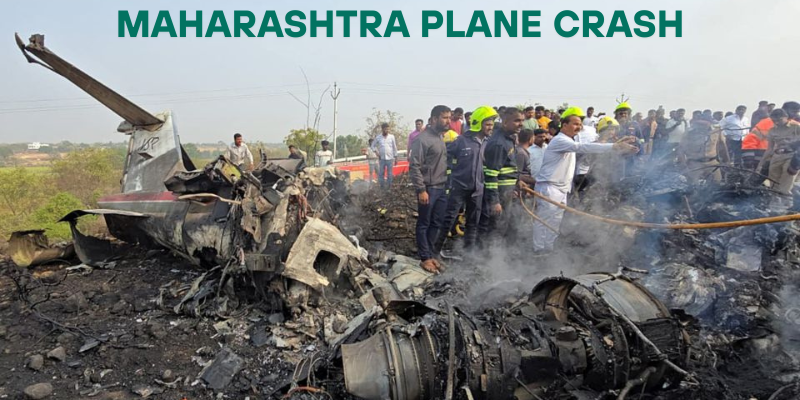
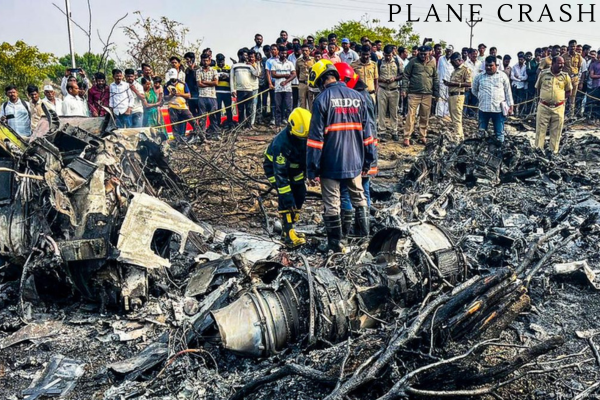
The demand for a CBI Probe Ajit Pawar has rapidly intensified in Maharashtra’s political circles, turning into one of the most talked-about developments in recent days. What initially began as speculation surrounding a reported plane crash incident has now evolved into a full-scale political debate. Supporters of the Nationalist Congress Party have called for transparency, while opposition leaders argue that only a central agency investigation can ensure impartiality. As the noise grows louder, the call for a CBI Probe Ajit Pawar is no longer confined to party offices but has entered public discourse across newsrooms and social media platforms.
A key reason why the demand is gaining traction lies in the political sensitivity of the issue. Ajit Pawar, a senior leader in Maharashtra politics, holds significant influence within the state government. Any controversy linked to him naturally attracts widespread attention. Political observers believe that the demand for a CBI Probe Ajit Pawar is being driven by a mix of accountability concerns and political strategy. Opposition groups argue that a high-profile case requires an independent and credible investigation body to maintain public trust.
The involvement of prominent leaders has further added weight to the debate. Devendra Fadnavis reportedly discussed the matter with Amit Shah, signaling that the issue has moved beyond state-level politics. When senior leaders engage in conversations at this level, it reflects the seriousness of the situation. This has only strengthened the momentum behind the demand for a CBI Probe Ajit Pawar, as political stakeholders attempt to position themselves on the right side of public perception.
Another factor contributing to the rising demand is the increasing public appetite for transparency in governance. In recent years, citizens have become more vocal about the need for fair investigations, especially in cases involving influential figures. The mention of a possible central agency inquiry adds a layer of credibility in the eyes of many voters. For supporters, a CBI Probe Ajit Pawar would clear doubts and reinforce trust. For critics, it offers an opportunity to scrutinize the events more closely and ensure accountability.
Media coverage has also played a crucial role in amplifying the issue. Prime-time debates, digital news platforms, and political commentators have kept the spotlight firmly on the controversy. With each passing day, the narrative evolves, keeping the conversation alive. This sustained attention has created a ripple effect, pushing political parties to respond more assertively. As the political climate remains charged, the demand for a CBI Probe Ajit Pawar continues to gather momentum, reflecting both strategic maneuvering and genuine calls for clarity in a sensitive matter.
The coming days are likely to determine whether the demand translates into official action or remains a political flashpoint. Regardless of the outcome, the intensity of the debate highlights how quickly a single controversy can reshape the political landscape in Maharashtra.
CBI Probe Ajit Pawar: What Triggered the Plane Crash Controversy
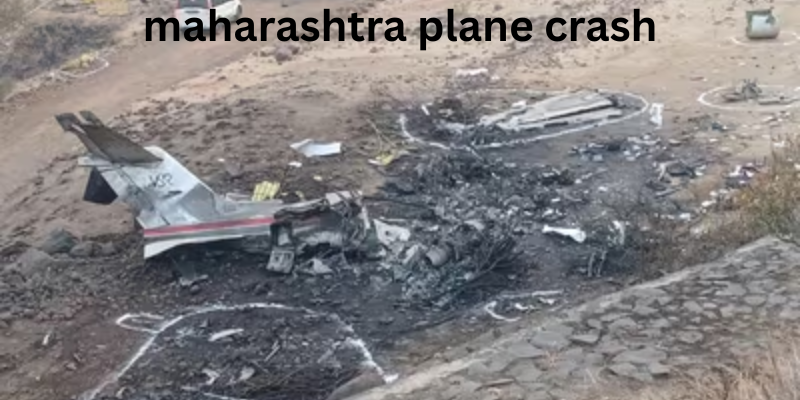
The sudden emergence of the plane crash controversy has pushed the demand for a CBI Probe Ajit Pawar into the national spotlight. What initially appeared to be a routine aviation incident quickly turned into a politically sensitive issue after allegations, questions, and counterclaims began circulating. As the situation unfolded, opposition leaders and members of the Nationalist Congress Party demanded clarity, while critics insisted that only a transparent inquiry could establish the facts. This chain of events is what ultimately triggered the growing calls for a CBI Probe Ajit Pawar across Maharashtra’s political spectrum.
At the center of the controversy is Ajit Pawar, one of the most influential leaders in the state. Given his senior position in government, any incident linked to his name naturally raises public curiosity. Reports surrounding the alleged plane crash created confusion, with different versions of events surfacing in media outlets and online discussions. The lack of immediate clarity fueled speculation, and political opponents began demanding an impartial investigation. As questions mounted, the demand for a CBI Probe Ajit Pawar gained strength, with many arguing that a central agency could provide an unbiased account of what truly happened.
Political dynamics in Maharashtra further intensified the situation. The state has witnessed shifting alliances and competitive narratives in recent years, making every controversy a potential flashpoint. Leaders like Devendra Fadnavis reportedly engaged in discussions with senior central figures, including Amit Shah, highlighting the seriousness of the issue. When top-level consultations occur, it signals that the matter is no longer routine but politically significant. This context has been a major trigger behind the rising demand for a CBI Probe Ajit Pawar.
Public perception has also played a decisive role. In today’s information-driven era, news spreads rapidly, and narratives form within hours. Social media discussions amplified every detail related to the controversy, often without verified confirmation. This created an environment where transparency became not just a demand but an expectation. Many citizens believe that a CBI Probe Ajit Pawar would bring much-needed clarity, either validating the concerns raised or firmly dismissing them with credible evidence.
Another trigger behind the controversy is the broader debate about accountability in public life. High-profile leaders are often held to stricter standards, and even minor incidents can escalate quickly if not addressed transparently. Political rivals used the moment to question governance standards, while supporters defended Pawar, calling the allegations exaggerated. This clash of narratives intensified the spotlight, making a CBI Probe Ajit Pawar a central talking point in political discussions.
As the controversy continues to unfold, it reflects how quickly events can spiral into major political debates. The trigger was not just the reported incident itself, but the combination of political rivalry, media amplification, and public demand for transparency that transformed it into a headline-grabbing issue.
CBI Probe Ajit Pawar: Role of Devendra Fadnavis in the Ongoing Talks
The growing debate around a CBI Probe Ajit Pawar has brought significant political attention to Maharashtra, and at the center of the ongoing discussions is Devendra Fadnavis. As a senior leader in the state government and a key political strategist, Fadnavis’ role in the evolving situation has become crucial. With rising demands from various quarters for a transparent investigation, his involvement in consultations and coordination has added both seriousness and urgency to the matter.
The controversy surrounding Ajit Pawar escalated quickly, leading to strong calls for a central agency inquiry. In such sensitive cases, state leadership often plays a balancing role between political stability and public accountability. This is where Fadnavis’ presence in the ongoing talks becomes significant. As discussions reportedly reached the national level, including communication with Amit Shah, the possibility of a CBI Probe Ajit Pawar began to appear more realistic rather than speculative.
Fadnavis’ role can be viewed from multiple angles. On one hand, he represents the state government’s responsibility to ensure transparency and maintain law and order. On the other, he must navigate the delicate political equations within Maharashtra’s coalition framework. The demand for a CBI Probe Ajit Pawar has political implications that extend beyond a single incident, potentially influencing alliances, public perception, and governance narratives. By engaging in dialogue at higher levels, Fadnavis appears to be positioning himself as a leader willing to address concerns directly rather than allow speculation to grow unchecked.
Political observers note that Fadnavis has often adopted a firm stance in matters involving accountability. His participation in the talks signals that the issue is being taken seriously at the highest levels of administration. The momentum behind the CBI Probe Ajit Pawar demand has placed pressure on leadership to act decisively, and Fadnavis’ strategic approach may determine how the situation unfolds in the coming days.
Another important aspect of his role lies in managing public communication. In high-profile controversies, clarity from leadership can significantly shape public opinion. By engaging with central authorities and maintaining open channels of dialogue, Fadnavis contributes to the perception that the matter is under careful review. The discussion around a CBI Probe Ajit Pawar is not just about investigation mechanics but also about maintaining trust in governance during politically sensitive times.
As the talks continue, Fadnavis’ involvement highlights the interconnected nature of state and national politics. His actions in this phase could influence both immediate outcomes and longer-term political dynamics. With public scrutiny intensifying and media coverage remaining constant, his role in the evolving narrative around a CBI Probe Ajit Pawar remains one of the most closely watched elements in Maharashtra’s current political landscape.
CBI Probe Ajit Pawar: How Amit Shah Reacted to the Request
The political debate surrounding a CBI Probe Ajit Pawar has now reached the national stage, drawing attention from senior leadership in New Delhi. As discussions intensified in Maharashtra, the matter reportedly reached the desk of Amit Shah, making his reaction a key factor in shaping the direction of the controversy. When an issue moves from state-level deliberations to central consultation, it signals that the stakes are high and the political implications significant.
The request for a CBI Probe Ajit Pawar emerged amid growing pressure from opposition leaders and heightened media scrutiny. Given Shah’s role as the Union Home Minister, any decision involving the Central Bureau of Investigation falls under his administrative purview. Political observers note that his approach in such cases often emphasizes procedural correctness and legal framework over political noise. This has led to widespread curiosity about how he is evaluating the request and what steps may follow.
Reports suggest that senior Maharashtra leaders, including Devendra Fadnavis, discussed the situation with Shah to assess the feasibility of a central probe. While no immediate public declaration may have been made, the very act of consultation reflects the seriousness of the matter. The demand for a CBI Probe Ajit Pawar is not just about investigating an incident; it carries broader implications for governance credibility and coalition dynamics in the state.
Shah’s reaction is being closely watched because it could set the tone for how the Centre handles politically sensitive cases. On one side, approving a CBI Probe Ajit Pawar would signal responsiveness to demands for transparency and accountability. On the other, any delay or cautious evaluation could be interpreted as a strategic decision aimed at avoiding political escalation. In high-profile matters involving influential leaders like Ajit Pawar, the Centre often weighs both legal merit and political impact before moving forward.
Another layer to Shah’s response lies in maintaining institutional balance. The Central Bureau of Investigation is expected to function as an independent agency, and its involvement in politically charged cases often attracts nationwide attention. By handling the request carefully, Shah ensures that the process aligns with constitutional norms and established procedures. This measured approach is why the debate around a CBI Probe Ajit Pawar continues to generate discussion across political circles.
As speculation continues, Shah’s reaction remains one of the most crucial aspects of the unfolding story. Whether the request advances toward formal approval or remains under review, the Centre’s stance will significantly influence the trajectory of the controversy. With public interest high and political narratives evolving rapidly, the response from the Union Home Ministry will likely determine how the demand for a CBI Probe Ajit Pawar shapes Maharashtra’s political landscape in the coming days.
CBI Probe Ajit Pawar: Political Impact on Nationalist Congress Party Ahead of Key Decisions
The escalating demand for a CBI Probe Ajit Pawar has created significant political ripples within the Nationalist Congress Party (NCP), especially at a time when the party is navigating sensitive strategic decisions. In Maharashtra’s fast-changing political landscape, controversies rarely remain isolated. Instead, they tend to influence internal equations, alliance strategies, and voter perception. As the debate intensifies, the NCP finds itself balancing damage control with political positioning.
At the center of the controversy is Ajit Pawar, a senior leader whose influence within the party structure remains substantial. Any demand for a CBI Probe Ajit Pawar inevitably impacts the party’s image, particularly when opponents portray it as a matter of accountability and transparency. While party leaders have defended Pawar, arguing that allegations are politically motivated, the controversy has placed the NCP under intense public and media scrutiny.
The timing of this development is crucial. With key administrative and political decisions approaching, the NCP must carefully assess how the situation affects its broader strategy. A CBI Probe Ajit Pawar could either clear doubts and strengthen the party’s credibility if no wrongdoing is established, or it could prolong uncertainty and provide opposition parties with sustained ammunition. Political analysts believe that how the party communicates during this phase will play a decisive role in shaping public opinion.
The involvement of senior leaders such as Devendra Fadnavis and discussions reportedly reaching Amit Shah have elevated the issue beyond routine political debate. For the NCP, this means the controversy is no longer confined to state-level discourse but has national visibility. The party must now manage both grassroots sentiment and broader political narratives. The demand for a CBI Probe Ajit Pawar has thus become not only a legal or administrative matter but also a strategic political challenge.
Internally, such controversies often test party unity. Leaders and cadres may close ranks publicly, but behind the scenes, there can be intense discussions about risk management and future direction. The NCP’s response to the CBI Probe Ajit Pawar demand will likely influence alliance dynamics, especially in a state where coalition politics shapes governance. Maintaining cohesion while projecting confidence to voters is a delicate balancing act.
Public perception remains the most critical factor. In today’s political climate, voters closely observe how parties respond to allegations involving prominent figures. A transparent and composed approach could help the NCP mitigate reputational risks. Conversely, prolonged uncertainty could keep the controversy alive in public discourse.
As Maharashtra’s political environment continues to evolve, the impact of the CBI Probe Ajit Pawar demand on the Nationalist Congress Party will depend largely on how events unfold in the coming weeks. The episode underscores how swiftly a single controversy can influence party strategy, leadership dynamics, and electoral narratives in a highly competitive political arena.