
How the Decision to Resume Direct Flights Impacts Travelers
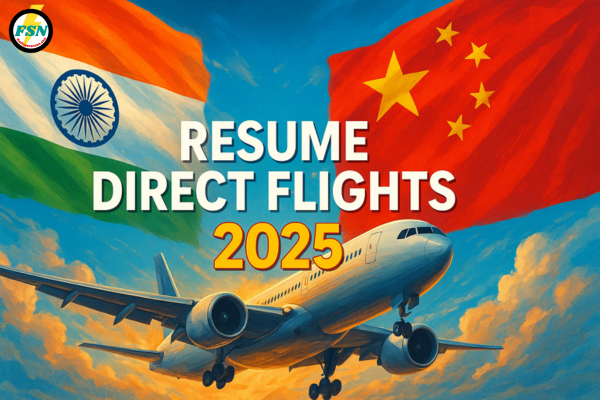
When India and China announced their plan to resume direct flights in 2025, travelers across both countries immediately felt a wave of relief. For years, the absence of direct connectivity meant long layovers, higher ticket prices, and exhausting journeys. The decision to resume direct flights is therefore more than just a diplomatic headline — it is a practical change that will transform the experience of students, tourists, business professionals, and families.
For Indian students studying in Chinese universities, the journey has often been a stressful ordeal. With no direct routes, they were forced to travel through other countries, increasing both cost and travel time. Now, the choice to resume direct flights makes education abroad more accessible. Parents who send their children to study in cities like Beijing or Shanghai can breathe easier knowing travel will be faster, safer, and more predictable.
Tourists are another group set to benefit in a big way. China’s rich cultural heritage and India’s vibrant destinations attract millions of travelers every year. But the lack of direct routes discouraged many from planning trips. The ability to resume direct flights removes that barrier, creating new opportunities for tourism industries in both countries. Easier access also encourages cultural exchange, as more travelers experience life, food, and traditions across borders.
For business travelers, the impact is even more significant. The time lost in transit meant fewer trips, delayed meetings, and missed opportunities. Direct connectivity reduces travel fatigue, increases efficiency, and makes it easier to maintain partnerships. The decision to resume direct flights is being viewed as a boost to corporate ties, particularly in sectors like technology, manufacturing, and finance, where speed of communication and movement plays a vital role.
Families divided by borders also stand to gain. Many Indians working in China, and vice versa, found it difficult to visit home due to complex flight schedules. The decision to resume direct flights gives them a direct lifeline, reducing the emotional distance created by years of indirect routes. Festivals, holidays, and family reunions will now feel more possible.
Of course, challenges remain. Ticket pricing, security measures, and flight frequency are still questions awaiting answers. Yet the overall impact is clear — travelers now have an easier path forward. By choosing to resume direct flights, India and China have removed one of the biggest hurdles to people-to-people connection.
For the global traveler, this decision is a reminder of how important connectivity is in today’s world. In every sense, the skies opening again promise smoother journeys and stronger bonds between two of Asia’s largest nations.
Resume Direct Flights: A Boost for Trade, Tourism, and Economy
The announcement that India and China will resume direct flights after more than five years has sparked discussions across multiple sectors. While travelers cheer the convenience, the larger impact lies in how this move will influence trade, tourism, and the overall economy. Re-establishing air corridors between two of the world’s largest markets is not just about aviation; it is about reviving growth opportunities that had been on pause for too long.
For trade, the decision to resume direct flights is a major advantage. Businesses that depend on timely travel for meetings, negotiations, and partnerships will now find smoother pathways to operate. Importers and exporters, particularly in technology, pharmaceuticals, textiles, and manufacturing, stand to benefit from reduced delays and faster decision-making. A direct flight network also supports cargo services, meaning goods can move more quickly and reliably. This makes cross-border trade more competitive and strengthens supply chains that were disrupted in the absence of direct routes.
Tourism is another sector that thrives on easy connectivity. India’s historical sites, cultural festivals, and spiritual destinations attract Chinese tourists, while China’s modern cities and ancient landmarks remain on the bucket list of many Indians. However, long and costly journeys discouraged travel in recent years. By deciding to resume direct flights, both countries have effectively opened the doors for tourists to explore without unnecessary complications. Tourism boards expect a strong revival, with businesses in hospitality, retail, and entertainment reaping the benefits of increased footfall.
The economic ripple effects are equally important. Airlines and airports in both countries will see a revival in revenue, creating new job opportunities. Travel agencies, tour operators, and local markets are expected to witness a surge in demand as more people plan cross-border trips. The decision to resume direct flights also signals stability to international investors, showing that despite political differences, both nations value economic cooperation and growth.
Students and professionals add another layer to this story. Thousands of Indian students enrolled in Chinese universities, and Chinese professionals working in Indian firms, faced immense difficulty during the years of flight suspension. Their struggles highlighted the gap in connectivity. Now, the choice to resume direct flights reduces not only travel stress but also economic loss, as education, business projects, and research collaborations can move forward without logistical roadblocks.
Yet, beyond the statistics, there is a symbolic dimension. The act of reopening air routes demonstrates an acknowledgment that people-to-people contact drives economies as much as policies do. Direct flights encourage cultural understanding, strengthen personal ties, and pave the way for long-term cooperation. By choosing to resume direct flights, India and China are reminding the world that economic growth begins with human connections.
In every way — trade, tourism, and economy — this decision is more than a policy change. It is a catalyst for revival, bringing new energy to two nations whose relationship shapes much of Asia’s future.
Challenges and Concerns as Nations Resume Direct Flights
The announcement that India and China will resume direct flights after more than five years has been widely celebrated, but it is not without its challenges and concerns. While travelers and businesses eagerly anticipate the convenience, policymakers and analysts are carefully weighing security, regulatory, and logistical issues. Understanding these challenges is crucial for appreciating the full picture behind this significant decision.
One of the most immediate concerns is security. Resuming flights between two major nations requires meticulous planning to ensure passenger safety. Airlines, airports, and government agencies must coordinate closely to prevent any potential threats. The decision to resume direct flights means both countries need to invest in enhanced security measures, screening processes, and emergency response protocols. Without proper safeguards, increased connectivity could unintentionally expose vulnerabilities.
Another challenge lies in regulations and compliance. India and China have different aviation standards, air traffic rules, and customs procedures. Aligning these frameworks to allow smooth operations takes time. Airlines must adjust flight schedules, staffing, and maintenance routines to meet bilateral requirements. The process to resume direct flights involves significant bureaucratic coordination, and any misstep could delay operations or disrupt travel plans.
Economic concerns also exist. While direct flights are expected to boost trade and tourism, there is a risk of initial overpricing and limited availability of flights. Ticket costs may be high due to the novelty and limited routes, which could temporarily restrict access for travelers. Airlines and governments need to ensure affordability to truly make the move beneficial. The choice to resume direct flights requires careful balancing of profit and accessibility.
Political sensitivities remain another factor. Historical disputes, border tensions, or diplomatic disagreements could influence flight operations. Airlines and regulators must navigate these complexities without disrupting schedules. Critics warn that any unexpected political development could impact the plan to resume direct flights, making contingency strategies essential.
Operational challenges, such as airport capacity and staffing, also play a role. Airports must handle an increased number of flights efficiently, and airlines need trained personnel familiar with cross-border protocols. The decision to resume direct flights demands coordinated efforts from all stakeholders to avoid delays and maintain service quality.
Finally, public perception is a subtle but important concern. Travelers have high expectations after years of inconvenience, and any delays or problems could lead to dissatisfaction. Both countries must communicate clearly about schedules, safety measures, and policies to ensure confidence as they resume direct flights.
Despite these challenges, the move to reconnect the skies represents a positive step forward. While hurdles exist, careful planning and collaboration can address most concerns. The decision to resume direct flights highlights a willingness to overcome difficulties in the pursuit of convenience, economic growth, and stronger people-to-people ties between India and China.
Future Outlook: Will More Countries Resume Direct Flights Soon?
The decision by India and China to resume direct flights in 2025 has sparked global interest, raising questions about whether other nations will follow suit. With the reopening of these key air routes, travelers, businesses, and policymakers are keen to understand the broader implications for international connectivity. This development could set a precedent for countries that have restricted flights due to political, economic, or health concerns.
One of the key factors influencing the decision to resume direct flights in other regions is the growing demand for easier travel. Students, professionals, and tourists increasingly prefer direct connections that save both time and money. Countries observing the India-China example may see the economic benefits and consider reopening air routes that have been suspended for years. In this context, the move to resume direct flights is not just about bilateral ties — it signals a global trend toward restoring convenient and efficient travel.
Trade and commerce also play a pivotal role in future decisions. Many nations rely heavily on quick, reliable transportation for goods, services, and business partnerships. Observing the positive economic impact from India and China, governments may feel encouraged to resume direct flights to boost trade, attract investment, and enhance tourism. Airlines, too, will advocate for more routes, recognizing the potential for profit and stronger international engagement.
Health and safety protocols remain another consideration. The COVID-19 pandemic and other recent disruptions made governments cautious about reopening borders. However, India and China’s careful approach to resume direct flights demonstrates that it is possible to balance public safety with the need for connectivity. This could inspire other nations to adopt similar measures, ensuring that flights resume without compromising health standards.
Diplomatic and political stability is also critical. Countries with previously strained relations may use flight resumption as a confidence-building measure. As India and China’s example shows, the decision to resume direct flights can serve both practical and symbolic purposes, helping to rebuild trust, strengthen cultural ties, and improve bilateral relations. Other nations could view this as a model for using aviation as a tool for diplomacy.
Technology and infrastructure improvements further support the trend. Modern airports, advanced air traffic management, and improved airline operations make it easier to safely and efficiently resume direct flights. Nations investing in these areas are better positioned to reopen routes and meet the growing expectations of international travelers.
Overall, the India-China development signals a hopeful future. Analysts predict that as countries witness the benefits of resume direct flights — from economic growth to enhanced cultural exchange — more nations will likely follow suit. The trend suggests that international skies may become increasingly connected, ushering in a new era of convenient travel, global commerce, and people-to-people engagement.