
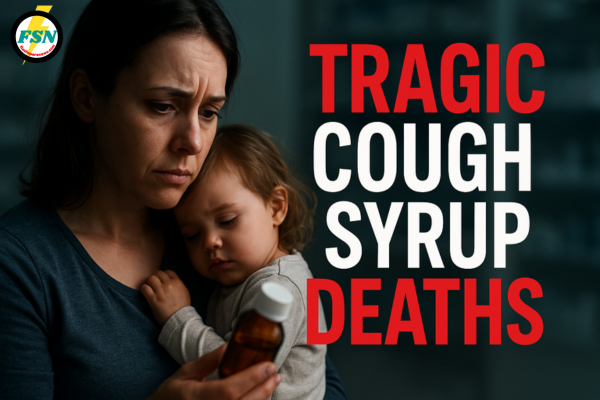

CDSCO’s Response: Inspections Ordered After Tragic Cough Syrup Deaths
In the aftermath of the Tragic Cough Syrup Deaths, the Central Drugs Standard Control Organization (CDSCO) has stepped in with urgency to restore public trust and ensure accountability. As the country’s apex drug regulatory authority, CDSCO’s role is critical in determining whether lapses in safety checks, manufacturing, or distribution contributed to the loss of lives. The move to order inspections across multiple states shows that the central government is taking the issue seriously, aiming to prevent similar tragedies in the future.
The CDSCO’s inspection drive is not limited to one or two factories—it extends across various pharmaceutical units suspected of producing or distributing contaminated batches. Inspectors are collecting syrup samples, reviewing production records, and cross-checking whether manufacturers adhered to the required safety guidelines. This large-scale action was prompted by rising concerns after reports of children’s deaths in Kerala, Madhya Pradesh, and Tamil Nadu. Each of these states had already taken steps such as suspensions or bans, but the nationwide response was necessary to address the larger implications of the Tragic Cough Syrup Deaths.
What makes the CDSCO’s response significant is its timing. In health emergencies, swift and transparent action can calm public fears. By immediately launching inspections, CDSCO has reassured families that the matter will not be brushed aside. Every batch of Coldrif syrup and other similar products is being tested under stringent conditions. Officials are not only looking at contamination but also examining whether quality standards in raw materials were compromised. This layered inspection process aims to identify the root cause behind the Tragic Cough Syrup Deaths and prevent future lapses.
Health experts argue that such inspections should not be reactive but part of a continuous monitoring system. India’s pharmaceutical industry is vast, and while it has earned global recognition, incidents like these expose vulnerabilities in its oversight mechanisms. The CDSCO’s immediate involvement highlights both the strength and the gaps in India’s drug regulation framework. On one hand, it demonstrates that the system can respond to crises; on the other, it raises the question of why dangerous products were not flagged before the Tragic Cough Syrup Deaths occurred.
The inspections also serve as a warning to pharmaceutical companies across the country. Manufacturers are being reminded that shortcuts, negligence, or non-compliance with guidelines will not be tolerated. Regulatory action, including suspension of licenses and criminal proceedings, could follow if violations are detected. For many, this crackdown was long overdue. It is hoped that the tragedy will push the industry to adopt stricter internal checks, ensuring that patient safety always comes before profit.
Ultimately, the CDSCO’s response is about more than just regulation—it’s about restoring public faith. Families who lost their loved ones need answers, and the wider public needs assurance that such a disaster will not happen again. The inspections ordered after the Tragic Cough Syrup Deaths may be the first step in a long process of reform, but they mark an essential moment of accountability for India’s healthcare system.

Public Outrage Grows as Tragic Cough Syrup Deaths Highlight Safety Concerns
The shocking reports of Tragic Cough Syrup Deaths have triggered a wave of public anger across India. What was once a trusted household medicine has now become a symbol of fear and betrayal. Parents, families, and ordinary citizens are demanding answers, asking how a common syrup prescribed to children could lead to such devastating consequences. The outrage is not only directed at manufacturers but also at regulators who are being accused of failing to protect vulnerable lives.
In towns and cities, protests and heated debates have erupted as grieving families come forward with heartbreaking stories. Their voices echo the same pain: medicines that were supposed to heal instead became a cause of tragedy. The Tragic Cough Syrup Deaths have ignited conversations about the quality of drugs being sold in pharmacies and whether the current regulatory framework is strong enough to prevent such incidents. For many, this is not just a medical issue but a moral one—an urgent reminder that human lives should never be put at risk for negligence or profit.
Safety concerns are now at the forefront of public discourse. Health activists and consumer rights groups argue that the system has long tolerated loopholes, allowing substandard drugs to slip through. The fact that multiple states—Kerala, Madhya Pradesh, and Tamil Nadu—had to act swiftly by suspending or banning the syrup shows how serious the matter has become. Citizens are demanding transparency in investigations and severe punishment for those responsible. The Tragic Cough Syrup Deaths are being seen as a turning point in the way India must handle drug safety.
What makes this public outrage more intense is the involvement of children. The deaths of young lives due to something as ordinary as a cough syrup have struck a deep emotional chord nationwide. Parents are now second-guessing every prescription and every purchase from local pharmacies. Doctors, too, are facing tough questions from worried families, many of whom have lost confidence in medicines that once seemed harmless. The Tragic Cough Syrup Deaths have shaken the very foundation of trust that holds the healthcare system together.
Social media has amplified these concerns, with hashtags and posts calling for justice and reform. Videos of grieving families and expert warnings about drug quality are going viral, increasing pressure on both the pharmaceutical industry and the government. The Central Drugs Standard Control Organization (CDSCO) has launched inspections, but the public sentiment suggests that inspections alone are not enough. People want accountability, stricter monitoring, and assurance that such a tragedy will never be repeated.
For India, this moment serves as a wake-up call. Public outrage is not simply about anger—it is about demanding a safer, more transparent system where medicines heal rather than harm. The Tragic Cough Syrup Deaths have laid bare the urgent need for reform in pharmaceutical oversight, and the voices of citizens are making it impossible for authorities to ignore the call for change.
Future of Cold and Cough Syrups in India After Tragic Cough Syrup Deaths
The heartbreaking news of Tragic Cough Syrup Deaths has raised serious questions about the future of cold and cough syrups in India. What was once considered a routine medicine for seasonal flu and respiratory infections is now being viewed with suspicion and fear. Families, doctors, and policymakers are all asking the same question: can syrups that were trusted for decades still be considered safe in the wake of this tragedy?
In the short term, stricter checks are inevitable. State governments in Kerala, Madhya Pradesh, and Tamil Nadu have already taken steps like suspending sales or imposing outright bans. This sends a strong message that authorities will not hesitate to act if public safety is compromised. The Tragic Cough Syrup Deaths have forced the Central Drugs Standard Control Organization (CDSCO) to launch large-scale inspections across pharmaceutical plants. Moving forward, such surprise inspections and more rigorous approval processes could become the new normal for cough syrups in India.
Another likely shift will be in consumer behavior. Parents, especially, are growing cautious about giving over-the-counter syrups to their children. Many families are already turning to alternative remedies such as steam inhalation, honey-based preparations, and herbal medicines. If trust in traditional syrups does not recover, pharmaceutical companies may face declining sales and a push to introduce safer, transparent formulations. The Tragic Cough Syrup Deaths could mark the beginning of a significant change in how Indians treat common colds and coughs.
The pharmaceutical industry too will feel long-term pressure. India is often called the “pharmacy of the world” because of its large-scale drug production and exports. But tragedies like these put the country’s reputation at risk internationally. If domestic safety standards are not strengthened, importing nations could impose restrictions on Indian medicines. To prevent this, companies will need to adopt world-class testing, use higher-quality raw materials, and maintain stricter internal audits. The Tragic Cough Syrup Deaths highlight how even a single lapse can tarnish decades of credibility in global markets.
Policy changes are also expected. Experts believe India may introduce mandatory warning labels, enhanced child-safety testing, and more public reporting of adverse drug reactions. There could even be a move to reduce reliance on syrup-based medications for children and replace them with safer, regulated alternatives such as dissolvable tablets or drops. These reforms, if implemented, would aim to rebuild trust and ensure that no family has to face the pain caused by the Tragic Cough Syrup Deaths.
Ultimately, the future of cold and cough syrups in India depends on how swiftly and effectively reforms are introduced. For citizens, the tragedy has been a painful reminder that healthcare must be built on safety above all else. For regulators and pharmaceutical companies, it is an opportunity to correct weaknesses in the system. The Tragic Cough Syrup Deaths have cast a shadow on a once-trusted remedy, but they may also pave the way for a safer, more accountable future in Indian medicine.