

Explosive Criminal Probe: Why Russia Targeted Pavel Durov Now
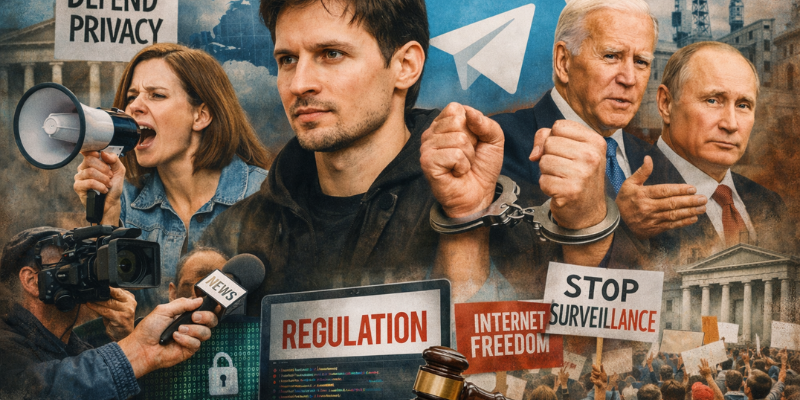
The phrase Explosive Criminal Probe has quickly dominated global headlines after Russia opened a criminal investigation against Pavel Durov, the founder of Telegram. The Explosive Criminal Probe has sparked intense debate across political, legal, and digital communities, with many questioning the timing and the broader implications behind this sudden move. As the Explosive Criminal Probe unfolds, analysts believe this case could reshape the ongoing tension between governments and encrypted messaging platforms. The Explosive Criminal Probe is not just a legal story — it is a powerful signal about control, regulation, and digital sovereignty. For many observers, the Explosive Criminal Probe represents a critical moment in the evolving relationship between technology innovators and state authorities.
For years, Telegram has positioned itself as a secure and privacy-focused messaging platform. Pavel Durov, often described as a bold and visionary entrepreneur, built the platform with a strong emphasis on encryption and user freedom. However, that same commitment to privacy has repeatedly placed Telegram under scrutiny in Russia. Authorities have previously accused the platform of failing to cooperate with security agencies, especially regarding access to encrypted communications.
So why now? Timing appears to be a crucial factor. Russia has been tightening its digital regulations, increasing oversight over social media platforms and messaging services. The government has introduced stricter internet laws aimed at controlling online narratives and combating alleged extremist content. In this context, the investigation into Durov may reflect broader enforcement efforts rather than an isolated incident.
Another possible reason lies in geopolitical tension. As global conflicts intensify and information warfare becomes more sophisticated, encrypted platforms like Telegram become strategic tools. Governments worry about misinformation, underground networks, and unmonitored communication channels. From Moscow’s perspective, enforcing compliance may be framed as a necessary security measure. Critics, however, argue that such actions could undermine digital freedom and free expression.
The case also highlights the long-standing friction between Durov and Russian authorities. Years ago, Durov left Russia after refusing to hand over user data from his previous social media platform. Since then, he has maintained a reputation as a tech leader who resists state pressure. That history adds another layer of drama to the current investigation, turning it into more than just a routine legal matter.
The global reaction has been swift. Digital rights activists warn that aggressive legal action against tech founders could create a chilling effect across the industry. Investors are closely monitoring Telegram’s stability, while users are concerned about potential disruptions or policy changes. At the same time, supporters of stricter regulation argue that no platform should operate beyond national laws.
What makes this situation especially sensitive is Telegram’s massive global reach. With hundreds of millions of active users worldwide, any legal challenge involving its founder carries international consequences. If authorities push for stronger compliance measures, other countries might follow with similar demands, potentially reshaping how encrypted platforms operate globally.
The unfolding investigation is more than a headline-grabbing controversy. It reflects the broader struggle between innovation and regulation, privacy and security, independence and state authority. As developments continue, the world will be watching closely to see whether this legal battle escalates further or opens the door to new negotiations between governments and global tech platforms.
Explosive Criminal Probe Raises Serious Legal and Political Questions
The unfolding investigation surrounding Pavel Durov has triggered intense global debate, as the Explosive Criminal Probe Raises Serious Legal and Political Questions about state power, digital freedom, and cross-border accountability. At the heart of the controversy is the complex relationship between governments and powerful technology platforms that operate beyond traditional national boundaries.
The case primarily revolves around Durov’s leadership of Telegram, a messaging app widely known for its strong encryption and commitment to user privacy. Over the years, Telegram has positioned itself as a defender of free speech, often resisting demands from governments to share user data or restrict certain content. However, this independence has placed the platform under repeated scrutiny, especially in countries seeking tighter control over digital spaces.
When we say the Explosive Criminal Probe Raises Serious Legal and Political Questions, the legal aspect cannot be ignored. Governments argue that encrypted platforms may inadvertently facilitate criminal activities if not properly regulated. From extremist propaganda to financial scams, authorities claim they require access or cooperation to ensure public safety. On the other hand, privacy advocates warn that weakening encryption could expose millions of innocent users to surveillance and cyber threats.
Russia’s history with Durov adds another layer of complexity. Before Telegram, he founded VKontakte, which became one of the country’s most popular social networking sites. His reported refusal to hand over certain user information to state agencies eventually led to his departure from the company and relocation outside Russia. This history fuels speculation about whether the current actions are purely legal in nature or partially influenced by longstanding political tensions.
The phrase Explosive Criminal Probe Raises Serious Legal and Political Questions also reflects concerns about jurisdiction. Telegram operates globally, with infrastructure and users spread across continents. If a country initiates criminal proceedings against a tech founder based abroad, questions arise about international law, extradition agreements, and enforcement mechanisms. Such cases often test diplomatic relationships and international cooperation frameworks.
Politically, the situation highlights a broader shift in how governments approach digital sovereignty. Many nations are introducing stricter data localization laws, demanding that companies store citizen data within national borders. Compliance with these regulations can clash with a platform’s core philosophy of decentralization and neutrality. As a result, the Explosive Criminal Probe Raises Serious Legal and Political Questions not only for Durov but for the entire tech industry.
Public reaction has been sharply divided. Supporters of stronger regulation argue that no company or executive should operate above the law. Critics, however, see the probe as part of a larger pattern of pressuring independent platforms that resist state oversight. The debate touches fundamental democratic principles: freedom of expression, privacy rights, and the limits of government authority.
International observers are closely monitoring the developments because the implications could extend far beyond one individual or one platform. If authorities succeed in establishing new legal precedents, other tech leaders may face similar scrutiny in different jurisdictions. The Explosive Criminal Probe Raises Serious Legal and Political Questions about whether global communication networks can remain neutral spaces or will increasingly fall under national political control.
As the situation evolves, it continues to shape discussions about the future of encrypted communication, the responsibility of tech entrepreneurs, and the balance between safeguarding national security and protecting civil liberties in the digital era.
Explosive Criminal Probe: How Telegram’s Future Could Be Impacted
The headline Explosive Criminal Probe: How Telegram’s Future Could Be Impacted captures the uncertainty facing Telegram today. For years, Telegram has positioned itself as a privacy-first platform, offering encrypted communication and minimal interference in user conversations. This strong commitment to digital freedom has earned it a loyal global user base. However, legal challenges targeting its leadership could reshape its operational framework.
When examining Explosive Criminal Probe: How Telegram’s Future Could Be Impacted, regulatory pressure stands out as a key factor. Governments worldwide are tightening rules on online content moderation, extremist messaging, misinformation, and financial transparency. Authorities argue that encrypted platforms must cooperate more actively with investigations to prevent misuse. If Telegram is required to comply with stricter data-sharing policies, it could face a delicate balancing act between legal compliance and user privacy.
Investor confidence may also be affected. Telegram has explored monetization strategies such as premium subscriptions, advertising models, and blockchain-based projects. Legal uncertainty can create hesitation among potential investors and partners. Even if the company maintains stability, headlines surrounding investigations can influence market perception. The discussion around Explosive Criminal Probe: How Telegram’s Future Could Be Impacted therefore extends beyond legal boundaries into financial and strategic territory.
User trust remains another critical element. Telegram’s appeal lies largely in its image as a secure, independent communication platform. If users fear that privacy protections might weaken under regulatory pressure, some may consider alternative encrypted apps. At the same time, high-profile legal attention sometimes increases downloads, as public curiosity and support for digital freedom grow. This dual effect makes predicting user behavior complex.
The geopolitical context adds further weight to Explosive Criminal Probe: How Telegram’s Future Could Be Impacted. Technology platforms are increasingly caught in the crossfire of global political tensions. Countries advocating digital sovereignty often demand local data storage and stronger oversight. For a platform operating across borders, adapting to fragmented legal systems can increase operational costs and administrative challenges.
Operational restructuring could become necessary. Compliance with new laws may require establishing regional offices, appointing legal representatives, or investing heavily in localized infrastructure. These measures could shift Telegram away from its historically lean and decentralized structure. While such changes might strengthen its legal standing in certain markets, they could also alter the platform’s original identity.
The broader industry is paying attention because the outcome may set precedents. If regulatory authorities successfully impose new obligations, other tech companies could face similar scrutiny. The ongoing debate surrounding Explosive Criminal Probe: How Telegram’s Future Could Be Impacted highlights a turning point in how encrypted platforms navigate global regulation, user expectations, and the ever-evolving digital landscape.

Global Reactions Pour In After Explosive Criminal Probe Announcement
The headline Global Reactions Pour In After Explosive Criminal Probe Announcement reflects how quickly the story has transcended national borders. Within hours of the news breaking, policymakers in Europe, Asia, and North America began commenting on the investigation and its potential consequences for encrypted communication platforms like Telegram.
In several Western countries, digital rights organizations expressed concern about the potential impact on freedom of speech and privacy. Advocacy groups argue that encrypted messaging services play a crucial role in protecting journalists, activists, and whistleblowers. For them, Global Reactions Pour In After Explosive Criminal Probe Announcement is not just about one individual or company, but about safeguarding digital liberties in an increasingly regulated world.
Meanwhile, some government officials have taken a different stance. Authorities in multiple regions have emphasized the importance of holding tech executives accountable if platforms are found to be non-compliant with local laws. They argue that encrypted apps must cooperate with investigations involving national security, terrorism prevention, and cybercrime. From this perspective, the phrase Global Reactions Pour In After Explosive Criminal Probe Announcement signals a turning point in how global leaders approach digital governance.
In Russia and neighboring regions, the reaction has been particularly intense due to Durov’s history with state authorities. Observers have revisited his earlier departure from VKontakte and the longstanding tensions that followed. Political analysts suggest that the investigation may be interpreted through both legal and geopolitical lenses, adding complexity to the unfolding narrative.
Technology experts are also closely analyzing market implications. Investors are evaluating how regulatory scrutiny might affect Telegram’s growth strategy, advertising partnerships, and premium subscription models. Market analysts note that headlines like Global Reactions Pour In After Explosive Criminal Probe Announcement can influence public perception, which in turn affects user engagement and financial stability.
On social media platforms worldwide, discussions have trended rapidly. Supporters of Telegram praise its commitment to privacy and independence, while critics argue that digital platforms must operate within clear legal frameworks. This polarized reaction demonstrates how deeply embedded messaging apps have become in daily life, business communication, and political discourse.
The broader tech community is watching carefully because the outcome could set precedents for how governments interact with globally operating platforms. If stricter regulatory standards emerge from the situation, other tech founders may face similar scrutiny. The scale of attention surrounding Global Reactions Pour In After Explosive Criminal Probe Announcement underscores the global importance of balancing innovation, accountability, and user rights in the digital age.
As diplomatic discussions, legal proceedings, and public debates continue, the situation remains fluid. The intense worldwide response highlights how interconnected modern technology has become, where a single announcement can spark conversations across continents and reshape discussions about privacy, governance, and the future of online communication.
Explosive Criminal Probe Sparks Massive Debate Over Digital Freedom
The headline Explosive Criminal Probe Sparks Massive Debate Over Digital Freedom represents more than a legal proceeding—it highlights a critical moment in the evolution of online communication. Telegram has long positioned itself as a privacy-first messaging app, offering encryption tools that protect conversations from third-party access. This commitment has earned widespread support from journalists, activists, entrepreneurs, and users who prioritize confidentiality.
However, the investigation now unfolding has reignited concerns among governments about how encrypted platforms operate. Authorities argue that while privacy is essential, encrypted messaging services can also be exploited for illegal activities, including cybercrime, extremist coordination, and financial fraud. As a result, Explosive Criminal Probe Sparks Massive Debate Over Digital Freedom because it forces policymakers to reassess where to draw the line between privacy rights and national security.
Supporters of digital freedom emphasize that strong encryption safeguards not only personal conversations but also democratic values. In many regions, secure communication platforms provide protection for whistleblowers and independent reporters working under pressure. From this perspective, Explosive Criminal Probe Sparks Massive Debate Over Digital Freedom signals potential risks to civil liberties if regulatory measures become overly restrictive.
On the other side of the debate, several governments argue that no platform should be entirely beyond regulatory oversight. They believe that technology companies must cooperate with law enforcement agencies when serious threats arise. This includes compliance with local data laws, content moderation standards, and investigative requests. The growing discussion around Explosive Criminal Probe Sparks Massive Debate Over Digital Freedom reflects how complex this balance has become in a rapidly digitizing world.
Economic and technological factors also play a role. Telegram has expanded beyond simple messaging, introducing premium subscriptions, business tools, and digital payment integrations. Legal uncertainty could influence partnerships, investor confidence, and international expansion plans. Companies operating in multiple jurisdictions must navigate a patchwork of regulations, each with different requirements regarding data storage and user information.
Public reaction has been intense and polarized. Social media platforms are flooded with opinions, ranging from strong defense of privacy rights to demands for stricter platform accountability. This broad spectrum of responses demonstrates how deeply embedded encrypted messaging apps have become in everyday life. The phrase Explosive Criminal Probe Sparks Massive Debate Over Digital Freedom continues trending because it resonates with millions who rely on secure communication for both personal and professional purposes.
The broader tech industry is observing the situation closely. The outcome may influence future regulatory frameworks for encrypted platforms worldwide. As digital communication becomes increasingly central to politics, business, and society, debates about privacy, accountability, and state authority are likely to grow even more intense.